
A face serum is a lightweight, fast-absorbing skincare product packed with a high concentration of active ingredients that target specific skin concerns like dullness, acne, pigmentation, or dryness. The correct use of serum is to apply 2-3 drops on clean skin right after cleansing, and before moisturizer, in the morning, at night, or both, depending on the formula.
This guide covers what a face serum actually does, the step-by-step way to use it, and how to pick the right serum for oily, dry, combination, sensitive, or acne-prone skin, without any guesswork.
What Is a Face Serum?
A face serum is a concentrated liquid or gel-based skincare product designed to deliver active ingredients deep into the skin. Unlike moisturizers, which mainly sit on the surface to lock in hydration, serums have a thinner texture and smaller molecules that absorb quickly.
Think of it as a problem-solver, since serums address specific skin concerns such as pigmentation, fine lines, dehydration, uneven texture, or acne, rather than just providing general hydration. This is why serums are added on top of a basic cleanser-moisturizer-sunscreen routine, not used as a replacement for any of them.
Serum vs Moisturizer: What Is the Difference?
- Serum: Lightweight, concentrated actives, targets specific concerns, absorbed quickly.
- Moisturizer: Thicker texture, seals in hydration, forms a protective barrier on the skin’s surface.
Both work together. A serum treats the concern; the moisturizer locks in the benefits and prevents water loss.

Benefits of Using a Face Serum
The right use of serum, matched to your skin concern, can noticeably improve how your skin looks and feels over time. Common benefits include:
- Targets specific concerns like acne, dullness, pigmentation, or fine lines with concentrated actives
- Absorbs faster than creams, making it suitable for humid Indian weather
- Helps even out skin tone and texture with regular use
- Can be layered easily under moisturizer and sunscreen
- Provides lightweight hydration without feeling greasy, useful in summer
Serums containing exfoliants like salicylic acid or glycolic acid help unclog pores and refine uneven texture in blemish-prone skin, while antioxidant-rich formulas help maintain elasticity as collagen and moisture decline with age. If acne and clogged pores are your main concern, our guide on how to use salicylic acid serum for pimples explains timing and frequency in detail.
How to Use Serum: Step-by-Step Application
Using a serum correctly matters just as much as choosing the right one. Here is the proper use of serum in a daily routine:
- Cleanse your face with a gentle face wash suited to your skin type. Pat dry, don’t rub.
- Apply toner, if you use one, to prep the skin and let it fully absorb.
- Take 2-3 drops of serum on your fingertips or palm. More isn’t better; a little goes a long way.
- Gently pat or press the serum onto your face and neck instead of rubbing it in harshly.
- Wait 30-60 seconds for it to absorb before applying the next product.
- Follow with a moisturizer to seal in the serum’s benefits and prevent moisture loss.
- In the morning, finish with sunscreen as the last step, especially if your serum contains vitamin C, niacinamide, or exfoliating acids.
This order follows the dermatologist-recommended sequence of layering skincare. Dermatologists recommend washing your face with a gentle cleanser first, then applying any medication or treatment right after cleansing, followed by moisturizer and/or sunscreen. Products should go on from lightest to heaviest, since a thick moisturizer applied before a thin serum can stop the serum from penetrating the skin well.
If you’re applying sunscreen over your serum, make sure you’re not making common layering mistakes. Our article on common sunscreen application mistakes covers this in detail.
Best Serum for Your Skin Type
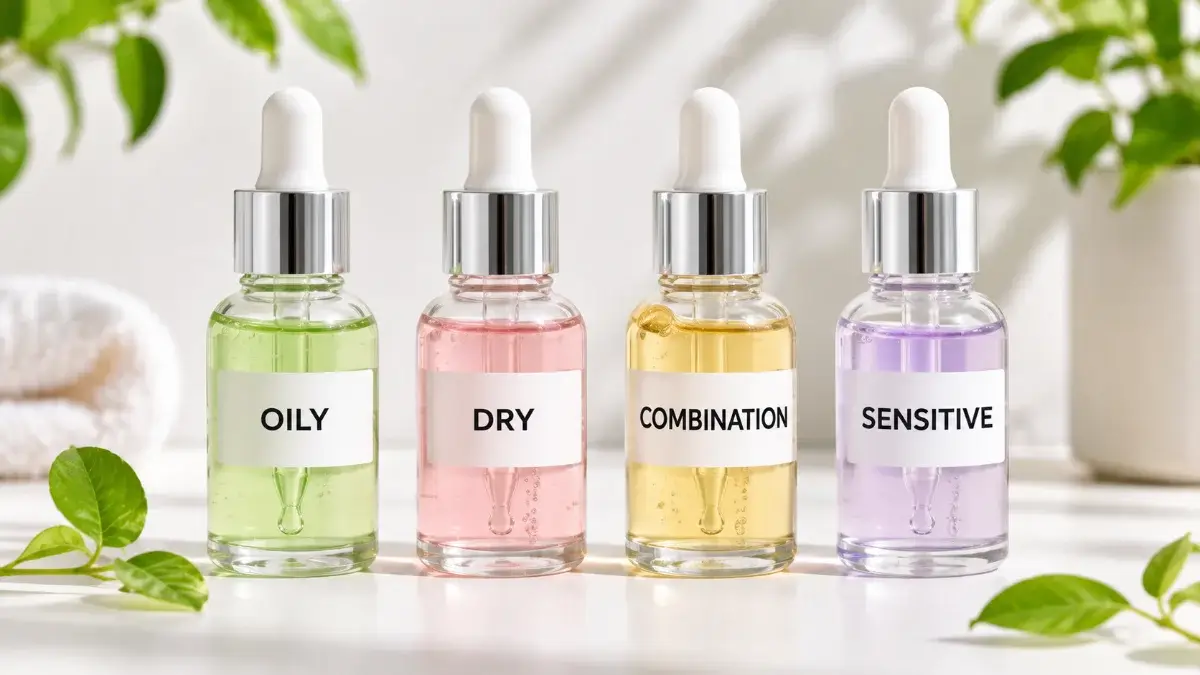
There is no single “best” serum for everyone. The right use of serum depends entirely on your skin type and primary concern.
Best Serum for Oily and Acne-Prone Skin
Look for serums with niacinamide, salicylic acid, or zinc. These help control excess oil, minimize the appearance of pores, and calm breakouts without clogging skin. Read our detailed guide on salicylic acid for face for side effects and usage tips if you’re acne-prone.
Best Serum for Dry Skin
Hydrating serums with hyaluronic acid, glycerin, or ceramides work well because they draw moisture into the skin and help it feel plumper and smoother. Always follow with a richer moisturizer, especially in winter. Our guide on winter dry skin mistakes to avoid has more seasonal tips.
Best Serum for Combination Skin
A lightweight, water-based niacinamide serum usually works best, since it balances oil in the T-zone while being gentle enough for drier cheeks.
Best Serum for Sensitive Skin
Choose fragrance-free serums with calming ingredients like centella asiatica (cica), niacinamide in lower percentages, or panthenol. Avoid high concentrations of acids or retinol until your skin builds tolerance.
Best Serum for Pigmentation and Dull Skin
Vitamin C and niacinamide serums are commonly used to brighten tone and fade dark spots over time. For a full night-time routine targeting dark spots, check our 2-step night routine for pigmentation and dark spots.
Best Serum for Anti-Aging
Retinol and peptide-based serums are typically used at night to support collagen and reduce the look of fine lines. These should always be introduced gradually and are not recommended during pregnancy without a doctor’s advice.
| Skin Type | Key Ingredient to Look For | Main Benefit |
|---|---|---|
| Oily/Acne-prone | Niacinamide, Salicylic Acid | Oil control, fewer breakouts |
| Dry | Hyaluronic Acid, Ceramides | Deep hydration |
| Combination | Niacinamide (water-based) | Balances oily and dry zones |
| Sensitive | Cica, Panthenol | Calms redness and irritation |
| Pigmentation/Dull | Vitamin C, Niacinamide | Brightens tone, fades spots |
| Anti-aging | Retinol, Peptides | Supports collagen, smooths fine lines |
When Should You Use Serum: Morning or Night?
This depends on the active ingredient in the serum, not a fixed rule for all serums.
- Morning: Vitamin C and antioxidant serums work well in the day, followed by sunscreen for protection against free radicals.
- Night: Retinol, AHA, and BHA serums are better used at night since they can increase sun sensitivity.
- Both: Niacinamide and hyaluronic acid serums are generally gentle enough for twice-daily use.
Who Should Be Careful With Serums?
Serums with active ingredients are generally safe, but a few groups need extra caution:
- People with sensitive skin, eczema, or rosacea should start with lower concentrations and introduce one active ingredient at a time.
- Pregnant or breastfeeding women should avoid retinol and high-dose salicylic acid serums unless cleared by a doctor.
- Anyone with a history of allergic reactions to skincare should always patch test a new serum on the inner arm before applying it to the face.
A patch test does not guarantee the product will never cause a reaction later, so watch your skin for a few days after introducing any new serum and stop use if you notice redness, burning, or breakouts that don’t settle. Learn more about safe ingredient use from our guide on niacinamide uses, benefits, and side effects.
Common Mistakes to Avoid With Serums
- Using too much product, more drops don’t mean faster results and can waste the serum
- Applying serum on a damp face without patting it dry first, which dilutes the active ingredients
- Skipping moisturizer after a hydrating serum, which lets the moisture evaporate
- Mixing too many strong actives like retinol, vitamin C, and acids in the same routine without easing in
- Skipping sunscreen after a morning serum, especially one with vitamin C or exfoliating acids
If you’re building a complete routine and want more general tips, our article on simple home remedies for glowing skin pairs well with a consistent serum routine. Those dealing with visible pores alongside oiliness can also check dermatologist-backed tips to minimize open pores.
Conclusion
The correct use of serum is simple: apply a few drops on clean skin, choose the active ingredient that matches your skin concern, and always follow with moisturizer and sunscreen. Start with one serum at a time, patch test new actives, and give it a few weeks of consistent use before judging results. If irritation doesn’t settle or your concern persists, a dermatologist can help you choose the right strength and ingredient.
Frequently Asked Questions
Q. Can I use a face serum every day?
Yes, most serums with niacinamide or hyaluronic acid are safe for daily use. Stronger actives like retinol or high-percentage acids may need alternate-day use until your skin builds tolerance.
Q. Should I apply serum before or after moisturizer?
Serum always goes before moisturizer. Apply it on clean skin first, let it absorb, then seal it in with a moisturizer.
Q. How long does it take to see results from a face serum?
Most people notice visible changes in texture or tone after 4 to 8 weeks of consistent use, depending on the active ingredient and the skin concern being targeted.
Q. Can I use two serums together?
You can, but avoid combining strong actives like vitamin C, retinol, and high-strength acids in the same routine without easing in gradually, as this raises the risk of irritation.
Q. Is serum necessary if I already use a moisturizer?
A moisturizer alone is enough for a basic routine, but a serum helps when you have a specific concern like acne, pigmentation, or fine lines that a moisturizer alone won’t target as effectively.
Q. Can teenagers use face serum?
Teenagers with acne can use gentle niacinamide or salicylic acid serums in low concentrations, but should avoid strong retinol or high-dose acids unless advised by a dermatologist.